Paul picked up his phone and scrolled through his contacts list. Finding the number took a couple of seconds, and he hesitated for another three before he pressed the button with the green phone receiver stamped on it. His every action was of monumental importance. He was acting against the wishes of the universe. Every move he made pushed the cosmos further and further out of balance.
The coin he'd tossed had rolled under the couch. Paul was not that interested in meeting Joanne tonight, but he wasn't against it enough to bother crawling under the couch. Finding the coin had been about as much effort as he was willing to put in. He was bored and feeling a little sorry for himself that night, the kind of mood brought on by a Sunday spent on the couch in pyjamas, or a Stanley Kubrick film, or both. He decided to just call Joanne and go to dinner. He was sick of being inside.
Underneath the couch, Queen Elizabeth's profile stared blankly up towards the universe (or at least that part of it that encompassed the thin black fabric stretched across the underside of the couch). As the universe had planned, Paul had tossed heads. Heads he didn't, tails he did. By not checking the coin, by being unable to perform the simple task of throwing a coin in the air without making a hash of it, Paul had set events in motion that he, and the universe, were powerless to stop. (The universe, although powerful, is only able to influence events up to a certain point. Usually this works out, but tonight the universe had gotten sloppy, and was kicking itself. The universe remembered the day Paul had chosen the floor covering for his new flat. Instead of pushing him towards carpet, a surface known for its coin-retaining traits, the universe had been offering God some unsolicited advice as He made some slight adjustments to one of its malfunctioning galaxies in the Gamma-Epsilon 76 quadrant.)
As the universe brooded, Paul met Joanne at a small Thai place in Newtown that had received a favourable review in the Herald that week. He was surprised how good she looked. They sat down and ordered, and apart from a momentary shiver as she mispronounced tofu "toffee", Paul managed to hold a pleasant, interesting conversation until the restaurant had emptied and the effeminate waiter began rudely stacking chairs atop the tables around them. Paul's expectations had been low, but the evening had been thoroughly enjoyable, and he sensed a certain chemistry developing between him and Joanne. Paul congratulated himself for making the effort, in the same way he had after he finally followed up a friend's offer of Sydney Kings tickets.
Outside the restaurant, the universe registered its displeasure by turning on a dreary, icy rainshower. Helpless to stop itself unravelling, the universe had to content itself by making the sky rumble and crackle with lightning and thunder. Depite the storm's awe-inspiring power, the universe was really just placing its figurative head in its metaphorical hands in a pose much like the one struck on February 26, 1995, by the Barings Bank human resources manager who hired Nick Leeson.
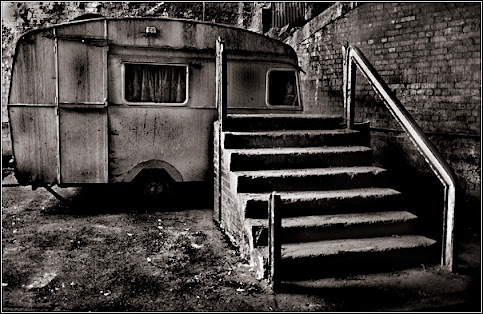
Stone cold Circumstances
Sunday, November 18, 2007

Monday, November 12, 2007
St Valentine was basically just a dude in a jail...
The heavens and the stars above
Are nothing compared to our love
That is hideous. It's good that this one came with the paper insert, I'd actually spew if someone gave this to me. Just gotta tear it out without stuffing the rest of it up. Awesome. Now it's blank. Blank ones shouldn't be so hard to find. It sucks when you find a good picture, but then the message is so terrible you can't buy it, but you've already seen the picture you want and the rest of them look like crap. A good business would probably be one where you made them with white fronts with black typewriter-style writing on the front, and when you open them, the same message in the same font would be there. "Cards for Men" I'd call it. Then, when you give someone a card, it would have "Happy Birthday" written on the front, and they'd open it and it would be like "Happy Birthday" again, and you wouldn't have to stand there cringing while they read it.
Anyway, I better write something in this now. That paper come out pretty well. She won't notice. Now, what to say? You know she's going to expect something written inside it. You can't just scrawl "Happy Valentine's Day Love Greg" in it. Because it's an arbitrary day for selling cards suddenly I need to get eloquent. As if driving into the city to pick her up at 4am isn't a good enough indication that I'd pretty much do anything for her. Suddenly I've got to be the bastard child of Mr Darcy and John Donne because it's February 14, whereas in the preceding 364 days I haven't said anything of note that I didn't pilfer from The Simpsons or someone smarter.
That's not helping. What to say? "I love you" is too plain. She'll expect some kind of comparison or qualification to that. Heaps? A lot? More than ever? Lame. What about a reminisce? She likes it when we talk about things we've already done. Ten pin bowling? Sitting on a couch all day instead of going to the art gallery? Arguing in the car for 45 minutes after I didn't introduce her to my friends at that party? It's too hard to know what she liked. Like that time I took her to the aquarium after she'd mentioned wanting to go, and then she stormed around it and would hardly talk to me. Don't want to risk bringing something up that she secretly hated.
Song lyrics? Which song? I've got that stupid Don't Cha abomination from the Pussycats stuck in my head. Maybe I should use that Dire Straits one... "Can't do anything except be in love with you." It all seems so soppy when you tear it out of context and write it down. You can't express the husky, manly voice he has with some wobbly handwriting or something. No good quoting poetry or anything like that I reckon. It doesn't sound like me. It just sounds like I cracked out the first thing I could think of.
Something original then. Why not something honest? "I'm much happier than before I started going out with you." Sounds a little retarded. "In comparison with other girlfriends, you are significantly better across the board." This isn't working. I'm not romantic. Does anyone actually think like this? Would any man in his right mind be able to fill in a card like this and have her gasp a little, and then look at him over the car, a little misty-eyed and say "thank you so much"? That's what I want to happen. Maybe tape a fifty dollar note in there. She's pretty skint at the moment. Not quite the right gesture though.
Come on, it shouldn't be this hard. What did I say the other night? She seemed pretty chuffed with that. Something about not minding that the rest of my life is a bit of a shitheap because she makes me feel like it isn't. I probably shouldn't use the same thing twice in a week though. Maybe something funny. How does that Mountain Goats song go? The way those eyes I've always loved/illuminate this place/like a trashcan fire in a prison cell/like the searchlights/in the parking lots of hell. That's not bad. Maybe "will you be my Valentine?", get a bit cute... Bloody hell. Maybe I should break up with her and save the trouble... Hold on. Got it.
"Dear Anna,
I spent an hour trying to pick this card and then another hour trying to think of what to write on the thing. Enough said?
Happy St Valentine's Day.
Greg."
Are nothing compared to our love
That is hideous. It's good that this one came with the paper insert, I'd actually spew if someone gave this to me. Just gotta tear it out without stuffing the rest of it up. Awesome. Now it's blank. Blank ones shouldn't be so hard to find. It sucks when you find a good picture, but then the message is so terrible you can't buy it, but you've already seen the picture you want and the rest of them look like crap. A good business would probably be one where you made them with white fronts with black typewriter-style writing on the front, and when you open them, the same message in the same font would be there. "Cards for Men" I'd call it. Then, when you give someone a card, it would have "Happy Birthday" written on the front, and they'd open it and it would be like "Happy Birthday" again, and you wouldn't have to stand there cringing while they read it.
Anyway, I better write something in this now. That paper come out pretty well. She won't notice. Now, what to say? You know she's going to expect something written inside it. You can't just scrawl "Happy Valentine's Day Love Greg" in it. Because it's an arbitrary day for selling cards suddenly I need to get eloquent. As if driving into the city to pick her up at 4am isn't a good enough indication that I'd pretty much do anything for her. Suddenly I've got to be the bastard child of Mr Darcy and John Donne because it's February 14, whereas in the preceding 364 days I haven't said anything of note that I didn't pilfer from The Simpsons or someone smarter.
That's not helping. What to say? "I love you" is too plain. She'll expect some kind of comparison or qualification to that. Heaps? A lot? More than ever? Lame. What about a reminisce? She likes it when we talk about things we've already done. Ten pin bowling? Sitting on a couch all day instead of going to the art gallery? Arguing in the car for 45 minutes after I didn't introduce her to my friends at that party? It's too hard to know what she liked. Like that time I took her to the aquarium after she'd mentioned wanting to go, and then she stormed around it and would hardly talk to me. Don't want to risk bringing something up that she secretly hated.
Song lyrics? Which song? I've got that stupid Don't Cha abomination from the Pussycats stuck in my head. Maybe I should use that Dire Straits one... "Can't do anything except be in love with you." It all seems so soppy when you tear it out of context and write it down. You can't express the husky, manly voice he has with some wobbly handwriting or something. No good quoting poetry or anything like that I reckon. It doesn't sound like me. It just sounds like I cracked out the first thing I could think of.
Something original then. Why not something honest? "I'm much happier than before I started going out with you." Sounds a little retarded. "In comparison with other girlfriends, you are significantly better across the board." This isn't working. I'm not romantic. Does anyone actually think like this? Would any man in his right mind be able to fill in a card like this and have her gasp a little, and then look at him over the car, a little misty-eyed and say "thank you so much"? That's what I want to happen. Maybe tape a fifty dollar note in there. She's pretty skint at the moment. Not quite the right gesture though.
Come on, it shouldn't be this hard. What did I say the other night? She seemed pretty chuffed with that. Something about not minding that the rest of my life is a bit of a shitheap because she makes me feel like it isn't. I probably shouldn't use the same thing twice in a week though. Maybe something funny. How does that Mountain Goats song go? The way those eyes I've always loved/illuminate this place/like a trashcan fire in a prison cell/like the searchlights/in the parking lots of hell. That's not bad. Maybe "will you be my Valentine?", get a bit cute... Bloody hell. Maybe I should break up with her and save the trouble... Hold on. Got it.
"Dear Anna,
I spent an hour trying to pick this card and then another hour trying to think of what to write on the thing. Enough said?
Happy St Valentine's Day.
Greg."
Monday, November 5, 2007
Imagine Thomas Edison electrocuting a horse...
America's wild frontiers weren't just restricted to its, well, wild frontiers. The cowboy ideal penetrated all facets of its culture. Even science had its wild colonial days. Perhaps it's not quite right to say science though, because essentially it was about business.
Thomas Edison is a name familiar to most, and it's a fair bet that most people would know that he had something to do with electricity, or at least remember that he invented the light bulb. Nikola Tesla is a name that would be unfamiliar to most. Devotees of The Prestige might remember that David Bowie whipped up a curious Eurotrash accent to portray him as a mad scientist, but let's face it, there aren't many people who watched that movie and even fewer that bother reminiscing about it. But Nikola Tesla is a very important man. The computer I'm writing this on has numerous components that owe their existence, in some form or another, to Tesla. If Edison was the "father of electricity", then Tesla was surely its pimp, because he was the man who found a way to make it available and user friendly.
Without getting too scientific (or more accurately, not getting scientific at all. If anything, a little patronising) Edison and his team of scientists and inventors created power stations and electrical goods that ran on Direct Current electricity (this is the type of current that means when you're electrocuted, your muscles contract and you can't let go of the wire). The problem with DC is that it can't be transported over long distances. This meant that, for example in New York, power stations would be needed every two blocks or so to make sure everybody could get enough juice to run their radiolagraphs and brill-o-lamps, or whatever people plugged into sockets in the late 19th century. This is bad news for people wanting power, but good news if your company (General Electric, although readers may be more familiar with the company's modern incarnation GE Finance, home of the culturally sensitive GE Money Genie) builds power stations and sells DC-motor powered appliances.
Tesla, who worked for Edison in his early days (and made him some decent scratch), developed technology that could harness Alternating Current. This is the current that tosses you across the room when you touch a live circuit. Alternating Current can be transmitted across vast distances, as well as be easily converted to the low voltages needed for domestic use. In combination with entrepreneur George Westinghouse, Tesla began promoting AC power and appliances to the American public. (Westinghouse and Tesla also had a contract guaranteeing Tesla $2.50 for every horsepower of electricity sold. With more success, this agreement threatened to bankrupt the Westinghouse Electric Company, and Tesla tore up the contract.)
Edison was, rightly, nervous about the emergence of AC power, and embarked on a scare campaign about its safety. Stray dogs and cats, old cows and horses were trotted out in front of the American public and executed to prove that AC power was unsafe. Tesla responded by holding demonstrations where he would pass AC current through his body, illuminating a light bulb he held in his hand. These demonstrations were accompanied by various lawsuits, and the obligatory defamatory comments in newspapers.
In 1890, Harold P Brown, who was on Edison's payroll, used an AC motor and generator to create the world's first electric chair, to prove once and for all that AC current was a danger to society. William Kemmler was the lucky prisoner to be spared the horror of hanging for the ease and convenience of electrocution, or as Edison was calling it by then, "Westinghousing". Unfortunately for Kemmler, they couldn't get the voltage right the first time, and he had to receive a second jolt to finish the job. As Westinghouse reportedly said: "They would have done better using an axe."
Eventually though, Tesla's AC system won out, and all the appliances we use today owe something to his groundbreaking work with AC. But the next time you flick on the television, or toast some bread, take a moment to reflect on the fate of poor Topsy, the elephant who died as part of a vain attempt to stop you enjoying cheap, easy electricity. (The video is a little unpleasant, so I don't mind if you don't watch it. Let me summarise it for you: an elephant gets electrocuted.)
Thomas Edison is a name familiar to most, and it's a fair bet that most people would know that he had something to do with electricity, or at least remember that he invented the light bulb. Nikola Tesla is a name that would be unfamiliar to most. Devotees of The Prestige might remember that David Bowie whipped up a curious Eurotrash accent to portray him as a mad scientist, but let's face it, there aren't many people who watched that movie and even fewer that bother reminiscing about it. But Nikola Tesla is a very important man. The computer I'm writing this on has numerous components that owe their existence, in some form or another, to Tesla. If Edison was the "father of electricity", then Tesla was surely its pimp, because he was the man who found a way to make it available and user friendly.
Without getting too scientific (or more accurately, not getting scientific at all. If anything, a little patronising) Edison and his team of scientists and inventors created power stations and electrical goods that ran on Direct Current electricity (this is the type of current that means when you're electrocuted, your muscles contract and you can't let go of the wire). The problem with DC is that it can't be transported over long distances. This meant that, for example in New York, power stations would be needed every two blocks or so to make sure everybody could get enough juice to run their radiolagraphs and brill-o-lamps, or whatever people plugged into sockets in the late 19th century. This is bad news for people wanting power, but good news if your company (General Electric, although readers may be more familiar with the company's modern incarnation GE Finance, home of the culturally sensitive GE Money Genie) builds power stations and sells DC-motor powered appliances.
Tesla, who worked for Edison in his early days (and made him some decent scratch), developed technology that could harness Alternating Current. This is the current that tosses you across the room when you touch a live circuit. Alternating Current can be transmitted across vast distances, as well as be easily converted to the low voltages needed for domestic use. In combination with entrepreneur George Westinghouse, Tesla began promoting AC power and appliances to the American public. (Westinghouse and Tesla also had a contract guaranteeing Tesla $2.50 for every horsepower of electricity sold. With more success, this agreement threatened to bankrupt the Westinghouse Electric Company, and Tesla tore up the contract.)
Edison was, rightly, nervous about the emergence of AC power, and embarked on a scare campaign about its safety. Stray dogs and cats, old cows and horses were trotted out in front of the American public and executed to prove that AC power was unsafe. Tesla responded by holding demonstrations where he would pass AC current through his body, illuminating a light bulb he held in his hand. These demonstrations were accompanied by various lawsuits, and the obligatory defamatory comments in newspapers.
In 1890, Harold P Brown, who was on Edison's payroll, used an AC motor and generator to create the world's first electric chair, to prove once and for all that AC current was a danger to society. William Kemmler was the lucky prisoner to be spared the horror of hanging for the ease and convenience of electrocution, or as Edison was calling it by then, "Westinghousing". Unfortunately for Kemmler, they couldn't get the voltage right the first time, and he had to receive a second jolt to finish the job. As Westinghouse reportedly said: "They would have done better using an axe."
Eventually though, Tesla's AC system won out, and all the appliances we use today owe something to his groundbreaking work with AC. But the next time you flick on the television, or toast some bread, take a moment to reflect on the fate of poor Topsy, the elephant who died as part of a vain attempt to stop you enjoying cheap, easy electricity. (The video is a little unpleasant, so I don't mind if you don't watch it. Let me summarise it for you: an elephant gets electrocuted.)
Wednesday, October 24, 2007
Clooney would probably just charm his way in...
James stopped in his tracks, a little unsure of what to do next. He had the expression of someone who, having ordered a pizza, finds George Clooney standing deferentially at their doorstop clutching a Super Supreme on Classic with no olives. Clooney would probably already be back on his scooter before the person was sufficiently recovered to ask the pertinent questions.
James had the sense he was about to have a memorable experience, and didn't want to be left holding the proverbial pizza and change. He was pretty sure the drummer from the band had beckoned him using the "crooked finger" method. He had noticed her looking at him during their second set, but he figured she was just admiring his hard-to-get Klaxons t-shirt as he shuffled from foot to foot in the second row. She had seemed enigmatic, sort of a cross between a dying octopus and the Mona Lisa, in that while her arms and legs flailed madly during each song, her face remained unchanged, unreadable, elusive. That was her trademark. She never spoke in interviews, despite her band appearing in almost every magazine and on every music television show in the last year. Despite the band's massive successive, she remained a frenetic mystery.
He had downed a few Super Drys by this time, and was feeling a little sentimental. Perhaps it was fate, he thought. Perhaps the poor management of their tour was meant to bring him to her. Perhaps they were meant to play this crappy bar, even though they had filled the Enmore last week. He started walking over to her, keeping it overly casual like someone guiltily looking sidelong at their reflection as they walk past a store window. She seemed to notice, but the sweaty hair clinging to her face made it hard to be sure his movements were being registered.
"Hey, great set," he said, by way of breaking the ice.
The drummer's face initially didn't move, then cracked into a yawn as offensive and prolonged as the Kyle and Jackie O show. The burly bass player stepped between James and the drummer, using his back in the same way the Chinese government uses firewalls. Blocked out like a poorly tranlsated webpage about Chiang Kai-Shek, James turned away, as dazed as someone who had ordered pizza again the next night, and been brutally beaten after George Clooney had invaded their home with a sock full of coins.
James had the sense he was about to have a memorable experience, and didn't want to be left holding the proverbial pizza and change. He was pretty sure the drummer from the band had beckoned him using the "crooked finger" method. He had noticed her looking at him during their second set, but he figured she was just admiring his hard-to-get Klaxons t-shirt as he shuffled from foot to foot in the second row. She had seemed enigmatic, sort of a cross between a dying octopus and the Mona Lisa, in that while her arms and legs flailed madly during each song, her face remained unchanged, unreadable, elusive. That was her trademark. She never spoke in interviews, despite her band appearing in almost every magazine and on every music television show in the last year. Despite the band's massive successive, she remained a frenetic mystery.
He had downed a few Super Drys by this time, and was feeling a little sentimental. Perhaps it was fate, he thought. Perhaps the poor management of their tour was meant to bring him to her. Perhaps they were meant to play this crappy bar, even though they had filled the Enmore last week. He started walking over to her, keeping it overly casual like someone guiltily looking sidelong at their reflection as they walk past a store window. She seemed to notice, but the sweaty hair clinging to her face made it hard to be sure his movements were being registered.
"Hey, great set," he said, by way of breaking the ice.
The drummer's face initially didn't move, then cracked into a yawn as offensive and prolonged as the Kyle and Jackie O show. The burly bass player stepped between James and the drummer, using his back in the same way the Chinese government uses firewalls. Blocked out like a poorly tranlsated webpage about Chiang Kai-Shek, James turned away, as dazed as someone who had ordered pizza again the next night, and been brutally beaten after George Clooney had invaded their home with a sock full of coins.
Sunday, October 14, 2007
There's no such thing as a neutral observer...
A piece of history was making its way down Harris Street. It threaded through the urban obstacle course, weaving around bins and dodging lunchtime joggers. The joggers made no attempt to make way for it, somehow believing that their Macquarie Bank emblazoned, company supported, tax-deductible exercise somehow made them more important than anything else in the CBD that Tuesday. Some joggers raised their eyebrows briefly as they noticed who was handling the piece of history.
"Wasn't that Matt Sanders?"
"Matt Sanders? Really? I thought he'd gone crazy. I didn't think he was still around after So you think you can dance better than a fifth grader's Big Brother was cancelled."
"It's funny to see him here on the street, instead of on telly. I don't reckon there's been a day he wasn't on telly or in the paper for the last five years before SYTYCDBTAFGBB went bad."
"Huh. Oh well. Race you back to our desks!"
Matt Sanders knew the joggers recognised him. He had a keen eye for people recognising him. Right now, for example, the girl in the cafe across the street was trying her hardest not to look at him, while at the bus stop a group of Chinese international students threw their heads back and laughed, undoubtedly at something one of them had said about Matt Sanders in Mandarin.
"Probably laughing about the time I hit Kevin Rudd with that zinger when I moderated the debate between him and the opposition leader," Matt Sanders thought to himself. The exact wording didn't come back to him, but he knew it had something to do with interest rates being "as high as the body corporate fees on my new penthouse." Classic.
Matt Sanders turned in to the Channel Ten studios, and smirked at the tangible shift in atmosphere that took place when he entered the foyer. The receptionist beamed at him, and the people waiting on the long leather divans seemed to sit up straighter, even though they never looked directly at him. He strolled casually to the lift, nodding in a satisfied way at a monstrous headshot of himself that hung on the wall. "MATT SANDERS AND CHANNEL TEN: ALWAYS NUMBER ONE" it said. There was a junior production assistant in the lift with him as he travelled up to the executive offices on the sixth floor. "Hey. Have a great day." he said when the young girl got off at the fifth. Matt Sanders loved how easy it was to make someone's day special. She probably couldn't wait to tell her colleagues what had happened.
On entering the board room, Matt Sanders took the piece of history out of his pocket, and inserted in the disc drive of a laptop that sat on top of the brutally modern boardroom table. The laptop whirred into life and the piece of history was projected against a large screen. Matt Sanders could feel the excitement of the six channel bigwigs growing as the screen flickered and the piece of history began.
"Africa, a place desolate, dry, and cut off from the West, electricity, and even humanity. A place where even I, Matt Sanders, am just another foreign traveller to her wild, untamed plains, and rugged, rocky mountains..."
Matt Sanders didn't realise that the documentary was a piece of history, but he suspected it would be the best thing Channel Ten would have aired, and was absolutely certain it would further guarantee his place in the best stall in Ten's stable of stars. He could see each executive squirm slightly as he turned his gaze towards them. "They know," he thought to himself.
"The Masai are a happy people, and could barely contain their excitement as I told them strange tales of my time on what I described to them as "The Picture Box". Here, their chief hands me a token of his esteem- a chicken- and I can tell that this proud warrior tribe has accepted me, and I am now one of..."
"Can we stop it there, Matt? We're a little confused. You go on a working holiday to Africa, with $50,000 of the channel's money, and come back with a documentary that is essentially about yourself?"
Matt Sanders was confused. "It's not about me. It's about Africa. There's all that lion footage, for example."
"Yes, but you talked about a pride of lions as if they were schoolkids doing a tour of the studio. I think at one point you said something about your stage presence reassuring the dominant male that you were no threat to him? Something like that. I'm pretty sure you were not even there when the footage was shot."
"So... you don't like it."
"Matt, it's not a case of liking it, it's more a case of whether or not we can air it. Even if we called it Matt Sanders' Africa (Matt Sanders liked the way that sounded, he'd been thinking of Matt Sanders in the Wild) I don't think that would disguise the fact that you've come back from Africa with the Worst Documentary Ever Made. Spell that with capital letters," the station executive said to the young girl taking the minutes. Six heads nodded around the boardroom table in agreement. Matt Sanders didn't notice.
"Has it occurred to you that other people's lives are less Matt Sanders-centric than yours? For example, I don't think that rhino turned its charge because you made eye contact with it."
The conversation continued for some time, with Matt Sanders eventually taking the piece of history with him to shop around the other networks. As he sat in a cafe that fronted Harris St, he thought he noticed a girl staring at him through the glass, but maybe she was just checking her make up.
"Wasn't that Matt Sanders?"
"Matt Sanders? Really? I thought he'd gone crazy. I didn't think he was still around after So you think you can dance better than a fifth grader's Big Brother was cancelled."
"It's funny to see him here on the street, instead of on telly. I don't reckon there's been a day he wasn't on telly or in the paper for the last five years before SYTYCDBTAFGBB went bad."
"Huh. Oh well. Race you back to our desks!"
Matt Sanders knew the joggers recognised him. He had a keen eye for people recognising him. Right now, for example, the girl in the cafe across the street was trying her hardest not to look at him, while at the bus stop a group of Chinese international students threw their heads back and laughed, undoubtedly at something one of them had said about Matt Sanders in Mandarin.
"Probably laughing about the time I hit Kevin Rudd with that zinger when I moderated the debate between him and the opposition leader," Matt Sanders thought to himself. The exact wording didn't come back to him, but he knew it had something to do with interest rates being "as high as the body corporate fees on my new penthouse." Classic.
Matt Sanders turned in to the Channel Ten studios, and smirked at the tangible shift in atmosphere that took place when he entered the foyer. The receptionist beamed at him, and the people waiting on the long leather divans seemed to sit up straighter, even though they never looked directly at him. He strolled casually to the lift, nodding in a satisfied way at a monstrous headshot of himself that hung on the wall. "MATT SANDERS AND CHANNEL TEN: ALWAYS NUMBER ONE" it said. There was a junior production assistant in the lift with him as he travelled up to the executive offices on the sixth floor. "Hey. Have a great day." he said when the young girl got off at the fifth. Matt Sanders loved how easy it was to make someone's day special. She probably couldn't wait to tell her colleagues what had happened.
On entering the board room, Matt Sanders took the piece of history out of his pocket, and inserted in the disc drive of a laptop that sat on top of the brutally modern boardroom table. The laptop whirred into life and the piece of history was projected against a large screen. Matt Sanders could feel the excitement of the six channel bigwigs growing as the screen flickered and the piece of history began.
"Africa, a place desolate, dry, and cut off from the West, electricity, and even humanity. A place where even I, Matt Sanders, am just another foreign traveller to her wild, untamed plains, and rugged, rocky mountains..."
Matt Sanders didn't realise that the documentary was a piece of history, but he suspected it would be the best thing Channel Ten would have aired, and was absolutely certain it would further guarantee his place in the best stall in Ten's stable of stars. He could see each executive squirm slightly as he turned his gaze towards them. "They know," he thought to himself.
"The Masai are a happy people, and could barely contain their excitement as I told them strange tales of my time on what I described to them as "The Picture Box". Here, their chief hands me a token of his esteem- a chicken- and I can tell that this proud warrior tribe has accepted me, and I am now one of..."
"Can we stop it there, Matt? We're a little confused. You go on a working holiday to Africa, with $50,000 of the channel's money, and come back with a documentary that is essentially about yourself?"
Matt Sanders was confused. "It's not about me. It's about Africa. There's all that lion footage, for example."
"Yes, but you talked about a pride of lions as if they were schoolkids doing a tour of the studio. I think at one point you said something about your stage presence reassuring the dominant male that you were no threat to him? Something like that. I'm pretty sure you were not even there when the footage was shot."
"So... you don't like it."
"Matt, it's not a case of liking it, it's more a case of whether or not we can air it. Even if we called it Matt Sanders' Africa (Matt Sanders liked the way that sounded, he'd been thinking of Matt Sanders in the Wild) I don't think that would disguise the fact that you've come back from Africa with the Worst Documentary Ever Made. Spell that with capital letters," the station executive said to the young girl taking the minutes. Six heads nodded around the boardroom table in agreement. Matt Sanders didn't notice.
"Has it occurred to you that other people's lives are less Matt Sanders-centric than yours? For example, I don't think that rhino turned its charge because you made eye contact with it."
The conversation continued for some time, with Matt Sanders eventually taking the piece of history with him to shop around the other networks. As he sat in a cafe that fronted Harris St, he thought he noticed a girl staring at him through the glass, but maybe she was just checking her make up.
Friday, October 5, 2007
What's in a name...
2020 had been a busy year for Shaun. When he first began working at Births, Death and Marriages it was a sweet deal. He'd see maybe nine, ten people per day, most of them between midday and 2pm as people came in on their lunchbreaks. Occasionally there'd be the odd annoying Family Tree-er who'd bail him up for hours as they tried to connect their family to royalty (usually French or English). But, all in all, it was a good job that left him plenty of time to stand at the counter doing nothing. Shaun was not an ambitious man. But lately, since about 2018, things had been getting progessively busier. Suddenly changing names had become as fashionable as getting lower back tattoos removed. Shaun was getting 80 to 100 people past his counter each day, all making enquiries about how to go about changing their names from A to B. It pissed him off, particularly because Tom, his manager, refused to put anyone else on to help him. It wasn't just the volume of name changes that bothered Shaun, it was also the type of changes he was dealing with. When he first started working at BD&M 25 years ago, most name changes were fun, like the guy who changed his name from John Westerland to Roxx Ha Da. But these days it was the opposite.
"Hi, how can I help you?" Shaun would ask.
"I want to change my name," the customer, usually in their early 20s, would reply.
"Ok, can I get your current name please."
"Phillip Murphy."
"Ok, and what would you like to change it to?" he would ask.
"Phillip Murphy."
Tom had long since stopped pausing at this point of the conversation.
"Ah, could you spell Phillip for me please."
"Sure. It's Phillip- P-H-Y-L-L-Y-P-E."
There were at least ten of these type of transactions per day. The others were mostly people looking to change their name to John (Jaydun), Mary (Cazzmin), or Scott (Pennsylvania).
The changes that Shaun liked the most were those 18-20 year olds who had been named after early 21st century celebrities. He and the others in the office reckoned they could spot a Shakira from the back of the queue. The conversations between queueing customers were often quite bitter.
"Yeah, I'm Leearna. I'm trying to get a job now, so... I guess it was just time to use a name that wasn't bogus."
"I know how you feel. I wish I'd changed mine earlier so my university degree didn't have the word Jaxxon on it."
"I hate my parents, hey. I know they wanted me to be an individual and everything, but, I want to be different because I choose to be, not because I'm afraid of telling people my name, or making friends... I'm Tahneesha, by the way. Nice to meet you."
Shaun would silently curse the parents of the early 21st century as he stamped the huge pile of change of name applications on his desk. He often daydreamed about moving to a collectivist culture, where people's last names came first, and where phonetics appeared only in the dictionary, and not on business cards.
"Hi, how can I help you?" Shaun would ask.
"I want to change my name," the customer, usually in their early 20s, would reply.
"Ok, can I get your current name please."
"Phillip Murphy."
"Ok, and what would you like to change it to?" he would ask.
"Phillip Murphy."
Tom had long since stopped pausing at this point of the conversation.
"Ah, could you spell Phillip for me please."
"Sure. It's Phillip- P-H-Y-L-L-Y-P-E."
There were at least ten of these type of transactions per day. The others were mostly people looking to change their name to John (Jaydun), Mary (Cazzmin), or Scott (Pennsylvania).
The changes that Shaun liked the most were those 18-20 year olds who had been named after early 21st century celebrities. He and the others in the office reckoned they could spot a Shakira from the back of the queue. The conversations between queueing customers were often quite bitter.
"Yeah, I'm Leearna. I'm trying to get a job now, so... I guess it was just time to use a name that wasn't bogus."
"I know how you feel. I wish I'd changed mine earlier so my university degree didn't have the word Jaxxon on it."
"I hate my parents, hey. I know they wanted me to be an individual and everything, but, I want to be different because I choose to be, not because I'm afraid of telling people my name, or making friends... I'm Tahneesha, by the way. Nice to meet you."
Shaun would silently curse the parents of the early 21st century as he stamped the huge pile of change of name applications on his desk. He often daydreamed about moving to a collectivist culture, where people's last names came first, and where phonetics appeared only in the dictionary, and not on business cards.
Thursday, October 4, 2007
A description of a room...
The room was big, probably about the size of a double garage. It was a confusing collection of different and competing influences, and seemed to bear the hallmarks of a number of different owners, designers, and tenants. The room was like a physical manifestation of those stories children write in primary school, where each student writes one line of the story, using only the preceding line as a guide. These type of stories are always immensely popular with young children due to the disjointed and often hilarious plot shifts the line-by-line construction creates. The effect, however, is less hilarious when reproduced visually. Rather than creating a whimsical atmosphere, the Chinese Whispers design approach had a slightly disconcerting effect. The room wasn't particularly dirty, nor was anything inside it cheap, but the way each piece of furniture combined with the various colour schemes and fittings hinted at an almost sadistic madness, or at the very least, a profound and disturbing indifference to one's surroundings.
It seemed the architect had envisioned the apartment as a monument to minimalist living. If you could somehow shut out the shrieking, battling aesthetics cluttering the room and imagine it completely empty, it would seem the work of a moment to throw in an angular red leather couch, a throw rug and some scatter cushions to create the ideal, impersonal space demanded by today's childless professional couples. This modern, streamlined vision of domestic living had, however, been roundly ignored by the person who had installed the room's light fittings, opting for a gilt chandelier in place of the architect's discreet LED downlights that would have cast their cold, bright light across the room's bare bricks. The chandelier held six lightbulbs pointing upwards towards the wood panelled ceiling, which had appeared to have been installed by a drunken carpenter on the afternoon following an unsuccesful custody hearing. The light hitting the yellow pine boards cast a dim, orangy light across the room better suited to the set of Apocalypse Now than a trendy, inner-west apartment.
The chandelier was the room's only source of light. At some point someone, perhaps in an attempt to protect people from inadvertently glancing in and seeing the room, had ordered the large windows on the left hand side of the room covered with curtains. Instead of a plain colour in keeping with the bare lines of the room's interior, a set of "modern" print curtains had been ordered. The pattern consisted of red triangles and black lines on a white background, offset by huge black tassles at the bottom. Friends of the fabric's designer later looked back on the design as the artist's first cry for help before his descent into an alcohol fuelled depression. But here, they had been selected because the black lines "picked up the black of the new coffee table, don't you reckon?". The coffee table was a monstrosity. A product of the "natural wood" movement of the early-1990s, it was essentially a eucalyptus trunk sliced in half lengthways. It was propped up by two "legs" at each end, which were more like rectangles with semicircular grooves cut in them. In a last schizophrenic twist, the whole thing had been stained a deep black. Thus it now lurked, sprawled down the centre of the room, acting upon the room's orange light in the same way little packets of silica gel work on moisture in shoeboxes.
There are some things that should never be sat on. The laps of strange men at the park, for instance. The long, Balinese five-seat couch running the length of the right hand wall was another. Consisting entirely of bamboo rods and leather ties, it seemed to be involved in a tense standoff with the coffee table. The two pieces of furniture clashed so badly it was hard not to imagine them as Clint Eastwood and John Wayne, facing off across the main street of a deserted town. Between them, they covered about 75% of the room's floorspace, meaning that to cross the room to get to the television, one would have to cut through the crackling electricity the horrible tension between the two pieces had created- an electricity that gave the impression that each piece was straining against inertia, trying vainly to leap onto the other and throttle it.
Upon arriving at the television, one's already frayed nerves would be stretched to full capacity on observing that the $15,000 plasma screen sat directly on an Edwardian sideboard. The television had been bolted to the back piece of the sideboard like an eviction notice on a Housing Commission door. It seemed the kind of person who would bolt a state of the art television to a 120-year-old piece of mahogany furniture would also be capable of other acts of savagery, like taping a cat to a dog and feeling satisfied that both were improved. Looking at the television/sideboard hybrid made you want to look over your shoulder to make sure you weren't being watched.
Above the television, which in order to watch you would have to sit either on the end of the coffee table or sit on the couch with your head turned 90 degrees, was the first of a series of photographic prints that appeared on every wall. Perhaps in a final, desperate attempt at unity, the posters were all from the popular "lighthouses getting worked over by the sea" range. In all, there were eight nicely framed prints around the room, providing a bizarre nautical element as well as being the only wall covering within the room. The only covering that is, unless you counted the black tape that had been used to cover the exposed wires of the television's surround sound system. A hulking speaker, obviously hideously expensive, perched in each corner of the room, visually supported by a black branch of wire-hiding tape. Pushed up against the back wall opposite the television, clearly placed there by someone maniacally giggling having given up the will to live comfortably, was the skeletal figure of a disused and dust-covered Total Gym 1000.
The owners of the room were home, but weren't sitting in the living room tonight. It was a living room in the literal sense of the word, in that it had become an organism- a presence- within the house. The owners had adapted to living with the room. They had been stupid enough to oversee its final creation, but weren't silly enough to try to endure its effects. They ignored it like the mentally disabled child of an early 19th Century aristocratic family, opting instead to eat their dinner standing up in the apartment's galley kitchen before spending the night watching television in bed.
It seemed the architect had envisioned the apartment as a monument to minimalist living. If you could somehow shut out the shrieking, battling aesthetics cluttering the room and imagine it completely empty, it would seem the work of a moment to throw in an angular red leather couch, a throw rug and some scatter cushions to create the ideal, impersonal space demanded by today's childless professional couples. This modern, streamlined vision of domestic living had, however, been roundly ignored by the person who had installed the room's light fittings, opting for a gilt chandelier in place of the architect's discreet LED downlights that would have cast their cold, bright light across the room's bare bricks. The chandelier held six lightbulbs pointing upwards towards the wood panelled ceiling, which had appeared to have been installed by a drunken carpenter on the afternoon following an unsuccesful custody hearing. The light hitting the yellow pine boards cast a dim, orangy light across the room better suited to the set of Apocalypse Now than a trendy, inner-west apartment.
The chandelier was the room's only source of light. At some point someone, perhaps in an attempt to protect people from inadvertently glancing in and seeing the room, had ordered the large windows on the left hand side of the room covered with curtains. Instead of a plain colour in keeping with the bare lines of the room's interior, a set of "modern" print curtains had been ordered. The pattern consisted of red triangles and black lines on a white background, offset by huge black tassles at the bottom. Friends of the fabric's designer later looked back on the design as the artist's first cry for help before his descent into an alcohol fuelled depression. But here, they had been selected because the black lines "picked up the black of the new coffee table, don't you reckon?". The coffee table was a monstrosity. A product of the "natural wood" movement of the early-1990s, it was essentially a eucalyptus trunk sliced in half lengthways. It was propped up by two "legs" at each end, which were more like rectangles with semicircular grooves cut in them. In a last schizophrenic twist, the whole thing had been stained a deep black. Thus it now lurked, sprawled down the centre of the room, acting upon the room's orange light in the same way little packets of silica gel work on moisture in shoeboxes.
There are some things that should never be sat on. The laps of strange men at the park, for instance. The long, Balinese five-seat couch running the length of the right hand wall was another. Consisting entirely of bamboo rods and leather ties, it seemed to be involved in a tense standoff with the coffee table. The two pieces of furniture clashed so badly it was hard not to imagine them as Clint Eastwood and John Wayne, facing off across the main street of a deserted town. Between them, they covered about 75% of the room's floorspace, meaning that to cross the room to get to the television, one would have to cut through the crackling electricity the horrible tension between the two pieces had created- an electricity that gave the impression that each piece was straining against inertia, trying vainly to leap onto the other and throttle it.
Upon arriving at the television, one's already frayed nerves would be stretched to full capacity on observing that the $15,000 plasma screen sat directly on an Edwardian sideboard. The television had been bolted to the back piece of the sideboard like an eviction notice on a Housing Commission door. It seemed the kind of person who would bolt a state of the art television to a 120-year-old piece of mahogany furniture would also be capable of other acts of savagery, like taping a cat to a dog and feeling satisfied that both were improved. Looking at the television/sideboard hybrid made you want to look over your shoulder to make sure you weren't being watched.
Above the television, which in order to watch you would have to sit either on the end of the coffee table or sit on the couch with your head turned 90 degrees, was the first of a series of photographic prints that appeared on every wall. Perhaps in a final, desperate attempt at unity, the posters were all from the popular "lighthouses getting worked over by the sea" range. In all, there were eight nicely framed prints around the room, providing a bizarre nautical element as well as being the only wall covering within the room. The only covering that is, unless you counted the black tape that had been used to cover the exposed wires of the television's surround sound system. A hulking speaker, obviously hideously expensive, perched in each corner of the room, visually supported by a black branch of wire-hiding tape. Pushed up against the back wall opposite the television, clearly placed there by someone maniacally giggling having given up the will to live comfortably, was the skeletal figure of a disused and dust-covered Total Gym 1000.
The owners of the room were home, but weren't sitting in the living room tonight. It was a living room in the literal sense of the word, in that it had become an organism- a presence- within the house. The owners had adapted to living with the room. They had been stupid enough to oversee its final creation, but weren't silly enough to try to endure its effects. They ignored it like the mentally disabled child of an early 19th Century aristocratic family, opting instead to eat their dinner standing up in the apartment's galley kitchen before spending the night watching television in bed.
Subscribe to:
Posts (Atom)
